
Resources
Caregiver burnout: how to spot it, how to survive it
3 July 2026 · MS Care Team
What burnout actually looks like
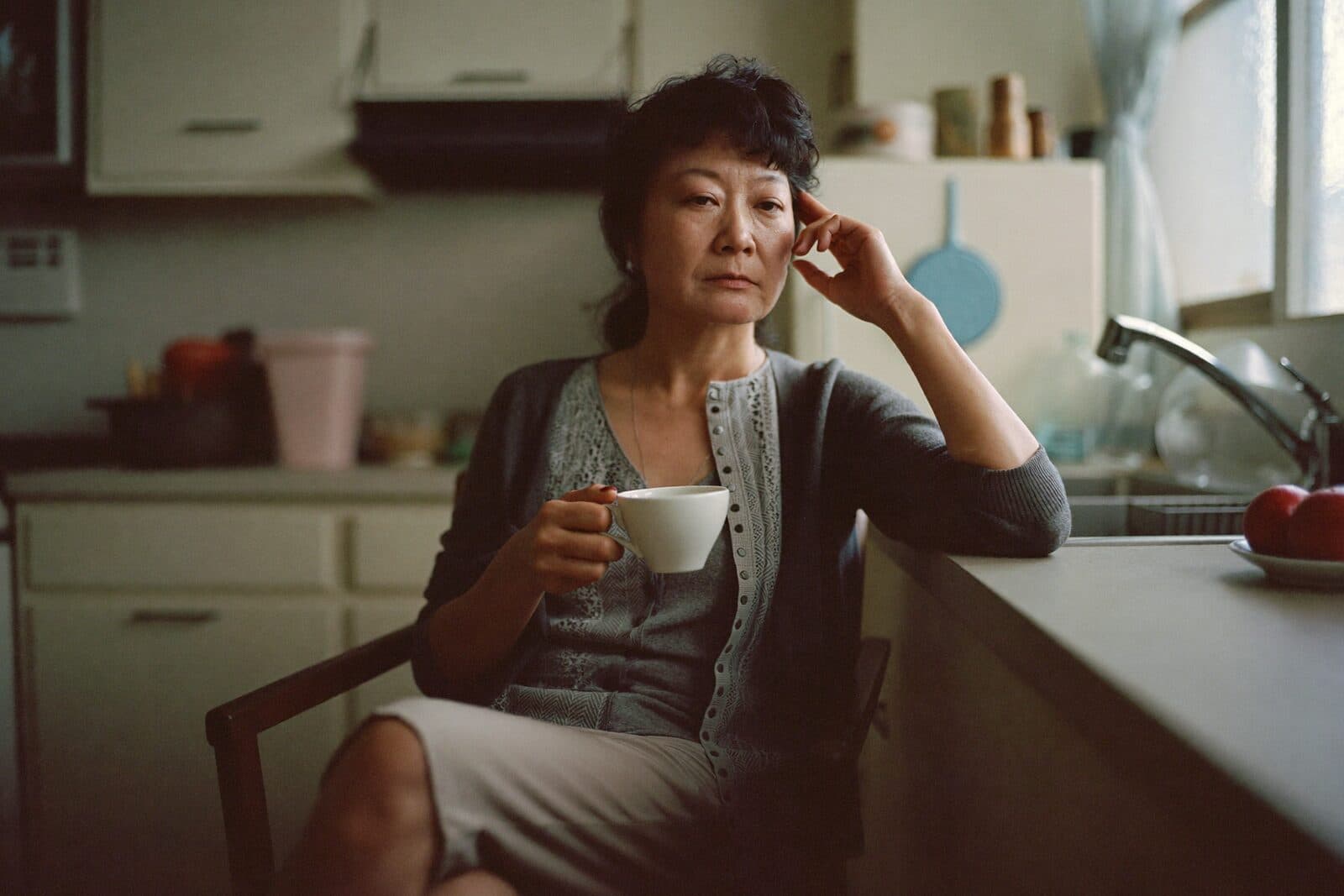
Caregiver burnout is not weakness. It is a predictable, well-documented response to long-term, high-stakes caring without adequate rest, support, or recognition. The signs build slowly and creep up sideways — until one ordinary morning you can't get out of bed, or you snap at your loved one over something small, or you find yourself crying in the supermarket aisle.
Common signs:
- Constant exhaustion that sleep doesn't fix.
- Irritability and shorter fuse — with your loved one, your spouse, your children, yourself.
- Withdrawal from friends, hobbies, social events you used to enjoy.
- Sleep that breaks down — either insomnia or sleeping far too much.
- Physical symptoms — recurring colds, back pain, headaches, weight changes.
- Guilt that won't let go, no matter how much you're already doing.
- Numbness or hopelessness that lasts more than two weeks.
- Resentment — towards the person you love most, and immediate shame about feeling it.
If three or more of these sound like you, you are not failing. You are burning out, and you need to act on it.
Why caregiving is uniquely depleting
Caregiving for someone with dementia is harder than most paid jobs, because:
- The hours are 24/7 with no clear shift boundary.
- The person you are caring for cannot reciprocate, thank you reliably, or even remember what you did yesterday.
- The work is invisible — to your colleagues, to your friends, sometimes to your own family.
- The trajectory is one-way: things slowly get harder, not easier.
- There is no graduation, no “done.”
This is not the same as caring for a child or a recovering patient. It is its own thing, and it deserves its own framework for self-care.
What real rest looks like
Real rest is not five minutes of phone-scrolling at 11pm. Real rest is:
- Time when you are not on-call. Even an hour where someone else is responsible — a relative, a neighbour, a paid carer, a structured activities programme — is qualitatively different from “they're napping so I can rest.”
- Time outside the home. A walk in the park, kopi with a friend, an exercise class. Your nervous system needs to leave the caregiving environment to actually downshift.
- Sleep that's protected. If your loved one wakes you nightly, get help — a baby monitor that someone else listens to two nights a week, a relief carer who covers overnights occasionally, medical advice on their sleep pattern.
Practical levers for Singapore caregivers
- Respite care. Several AIC-funded providers offer short-term respite — from a few hours to a few weeks. Use it before you're in crisis, not after.
- Regular activity sessions. Even one half-day a week of structured engagement gives you a predictable, weekly block of guaranteed off-duty time. Use it intentionally.
- Domestic helper or part-time caregiver. If you're in a position to hire help, do it earlier than you think you need to.
- Caregiver support groups. Dementia Singapore, hospitals, religious groups, and online communities run regular groups. Hearing “me too” from someone who actually gets it is medicine.
- Your own GP visits. Get your own annual check-up. Mention you are a caregiver — many GPs will adjust how they ask about your wellbeing.
You are allowed to ask for help
In many Singaporean families, asking for help feels like admitting failure. It is not. It is the single most strategic thing you can do for the person you are caring for, because a caregiver who collapses cannot care for anyone.
If you've been carrying this alone, this is your permission to put it down for an hour. Then for a day. Then for two days a week. You are allowed.